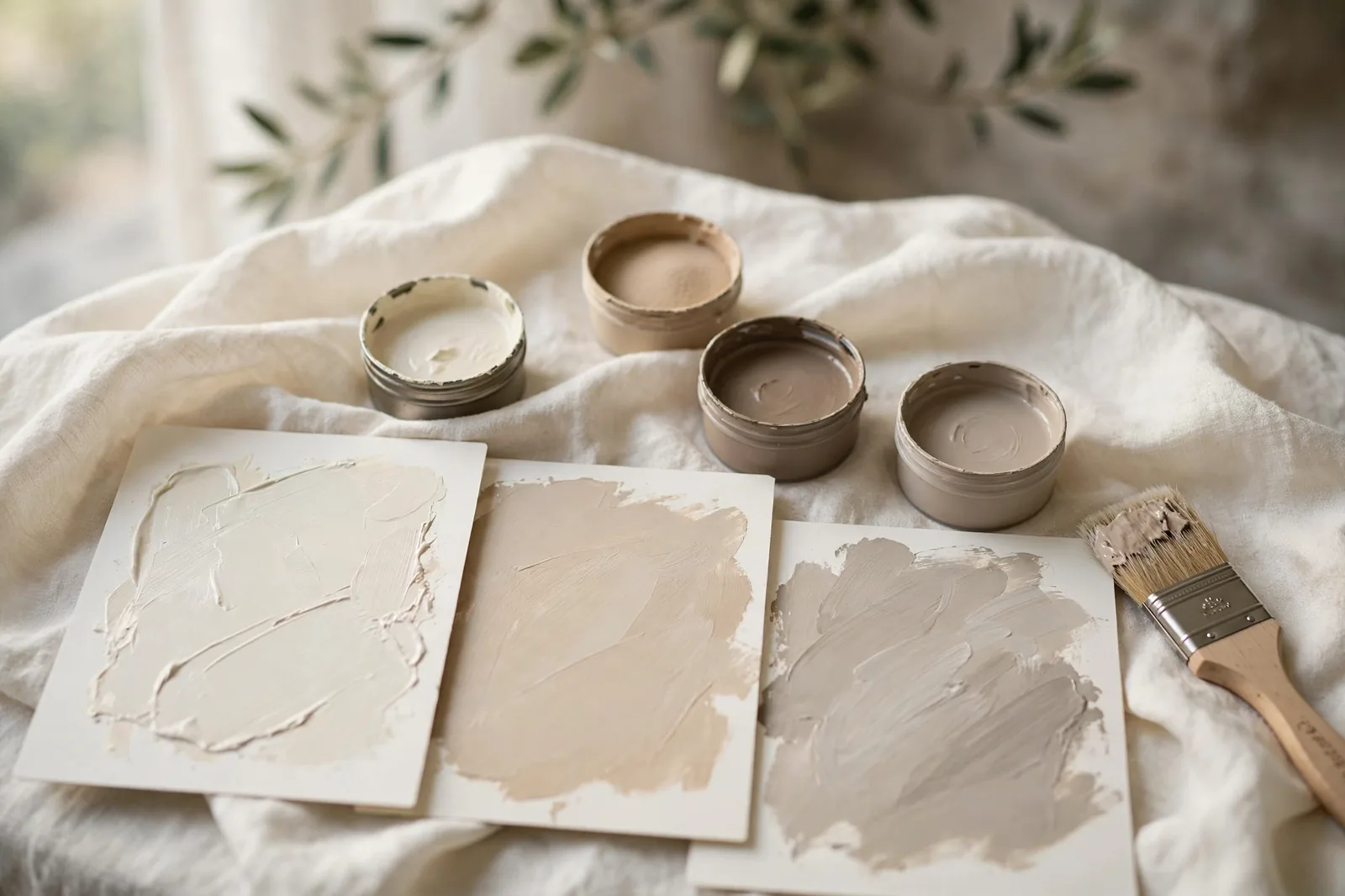
Paint Colors
Understand paint before you choose it
Most paint mistakes aren’t about taste, they’re about physics. Undertones, light reflectance, and your room’s orientation decide how a color actually looks on the wall. These guides teach you to read a color like a system, not a swatch.
Start with the fundamentals
Every paint color has three things going on: its undertone (the pink, yellow, green, or blue hiding underneath), its LRV (how much light it reflects, on a 0–100 scale), and its temperature (warm or cool). Get those three right and the rest is straightforward.
The single most useful habit: check every candidate against a true white sheet of paper, in daylight and under your evening lamps. Undertones that hide in the store reveal themselves on your wall.
Guides in this collection
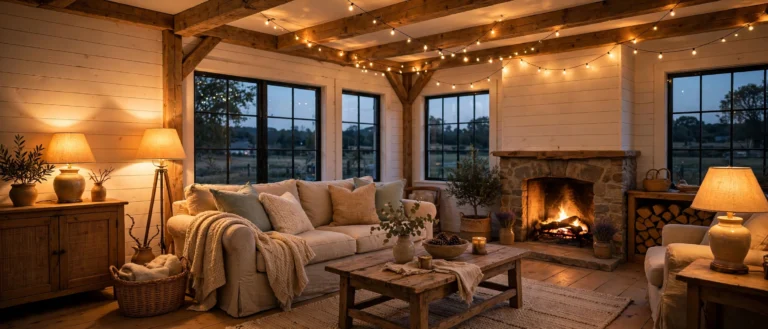
Paint Colors
Simple Lighting Ideas to Brighten Your Home
Because the same color looks different at 9am and 9pm, lighting is half the decision.
Coming soon
We’re building this library methodically, each guide researched against manufacturer sources:
- Paint undertones, explained for homeowners
- LRV: what it means and what your rooms need
- North vs. south-facing rooms: a paint strategy
- How to test paint samples the right way
- Warm whites vs. cool whites: how to choose